Malibu city officials announced a series of new safety measures for the busy Pacific Coast Highway following a deadly pedestrian crash that occurred overnight and briefly shut down part of the roadway, according to ABC7 Los Angeles. The incident has renewed long-standing concerns about speeding and hazardous conditions along the coastal route, prompting local leaders to highlight recently completed projects like a synchronized traffic signal system designed to slow traffic and improve flow between Topanga Canyon Boulevard and John Tyler Drive. Additional efforts now underway include plans for automated speed citation cameras, temporary roundabouts, and enhanced crosswalks and signage aimed at protecting pedestrians and cyclists navigating the highway.
Pedestrian crashes along high-speed corridors like Pacific Coast Highway can be especially tragic, as people on foot are highly vulnerable to fast-moving traffic and limited crossing options. When a pedestrian is struck on a roadway known for speeding and heavy congestion, the injuries are often severe or fatal, leaving families facing sudden loss and difficult questions about roadway design and driver behavior. Incidents like this have renewed concerns about pedestrian safety, traffic calming, and whether stronger safeguards could help prevent future tragedies. If you or someone you love has been affected by a serious pedestrian crash or fatal accident in Malibu or elsewhere in Southern California, let our attorneys at King Law help. Give us a call today at (818) 452-2510 for a free case review.
Why Legal Representation Matters After a PCH Pedestrian Accident
After a PCH pedestrian accident, King Law understands how overwhelming the aftermath can be for injured victims and grieving families navigating a sudden and traumatic event. We know that crashes along Pacific Coast Highway often involve high speeds, complex traffic patterns, and questions about roadway safety measures, which can make determining fault far from straightforward. Insurance companies may move quickly to minimize liability, especially in high-profile areas like PCH, and we work to protect our clients from early pressure while ensuring their rights are preserved. Our team focuses on helping families understand the legal landscape and what options may be available under California law.
We also recognize that pedestrian accidents frequently raise broader issues beyond the actions of a single driver, including roadway design, visibility, signage, and traffic control measures. At King Law, we take a comprehensive approach by examining police reports, crash data, witness accounts, and any available surveillance or traffic camera footage to build a clear picture of what happened. We work to identify all potentially responsible parties and pursue accountability where it belongs, while supporting our clients through every stage of the legal process with care, clarity, and steady advocacy.
Who May Be Liable in a PCH Pedestrian Accident
Determining liability after a PCH pedestrian accident often requires a detailed and careful legal analysis. Crashes along Pacific Coast Highway frequently involve high speeds, complex traffic patterns, and multiple contributing factors. Responsibility may extend beyond a single driver, depending on the circumstances. Understanding who may be held liable helps victims and families better navigate their legal options and pursue accountability.
Drivers Involved in the PCH Pedestrian Accident
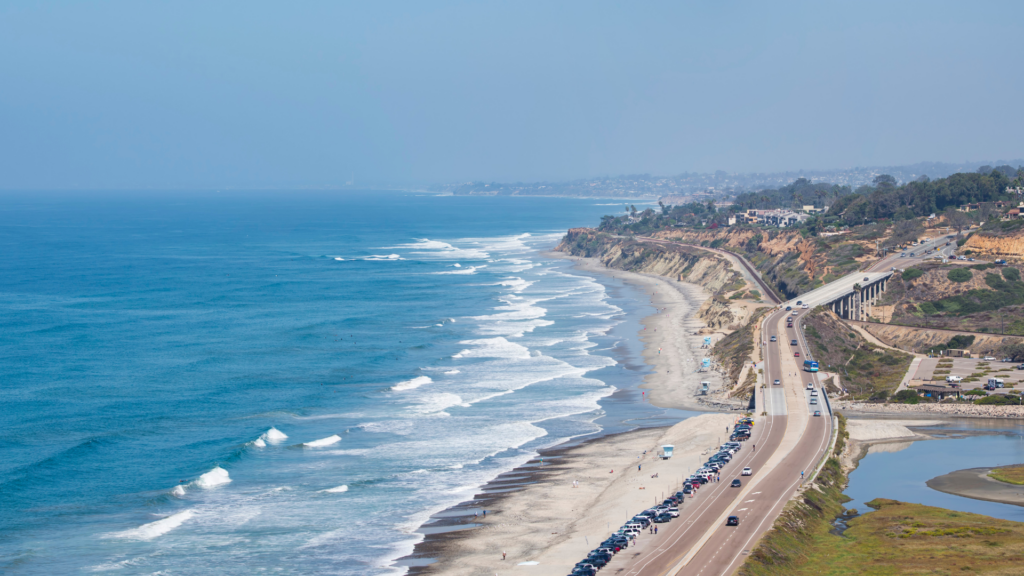
Drivers are often the primary focus when evaluating liability in a pedestrian crash. Motorists have a duty to operate their vehicles safely and remain alert for pedestrians, especially in areas known for foot traffic. Failure to meet this duty may result in legal responsibility.
Speeding and Reckless Driving
Speed plays a major role in many PCH pedestrian accidents. Excessive speed reduces reaction time and increases stopping distance. High-speed impacts also lead to more severe injuries. Evidence of speeding often strengthens liability claims.
Reckless behaviors such as unsafe passing or aggressive driving may also contribute. These actions demonstrate disregard for safety. Investigators often review roadway markings and vehicle damage. Such findings help establish negligence.
Distracted or Impaired Driving
Driver distraction remains a common factor in pedestrian crashes. Cell phone use, inattention, or fatigue can prevent drivers from noticing pedestrians in time. These behaviors violate basic driving responsibilities. Documentation of distraction supports liability arguments.
Impairment due to alcohol or drugs significantly increases crash risk. Impaired drivers often fail to react appropriately. Toxicology results and arrest records may become evidence. These factors strongly influence liability determinations.
Government Entities and Roadway Authorities
In some PCH pedestrian accidents, liability may extend beyond drivers to public entities. Roadway design and maintenance play an important role in pedestrian safety. Unsafe conditions can contribute to serious crashes.
Dangerous Road Design or Poor Visibility
Inadequate crosswalks, poor lighting, or unclear signage may increase pedestrian risk. Curves and blind spots along PCH can limit visibility. If design flaws contribute to a crash, liability may arise. These factors require expert evaluation.
Road conditions such as uneven pavement or faded markings may also matter. Documentation of these hazards becomes critical. Photos and maintenance records support claims. Early investigation helps preserve evidence.
Failure to Address Known Safety Hazards
Government agencies may be aware of recurring safety issues along certain PCH segments. Prior complaints or crash history may demonstrate notice. Failure to act on known risks can create liability. Records often reveal these patterns.
Claims against public entities follow specific legal rules. Deadlines and notice requirements differ. Early identification of government liability protects options. Legal guidance becomes essential in these cases.
Third Parties and Additional Liable Entities
Some PCH pedestrian accidents involve responsibility beyond drivers and government agencies. Other parties may contribute indirectly. Identifying all responsible entities strengthens recovery opportunities.
Commercial Drivers and Employers
When a commercial vehicle is involved, employers may share liability. Driver conduct during work duties matters. Company policies and training may be examined. Employer insurance coverage may apply.
Maintenance practices also come into question. Poor vehicle upkeep can contribute to crashes. Records and inspections become evidence. Employer responsibility broadens liability analysis.
Property Owners and Nearby Businesses
Adjacent property owners may also bear responsibility in limited cases. Poor lighting or obstructed views from private property can create hazards. Construction activity may alter pedestrian pathways. These conditions may contribute to crashes.
Liability depends on control and foreseeability. Investigation determines responsibility. Documentation of property conditions matters. These claims require careful legal review.
Why Identifying All Liable Parties Matters
Identifying all potentially liable parties remains a critical step after a PCH pedestrian accident. Multiple sources of responsibility increase available compensation. Comprehensive analysis strengthens legal claims.
Expanding Available Insurance Coverage
Different parties carry different insurance policies. Identifying multiple defendants expands coverage options. This becomes especially important in severe injury or fatal cases. Adequate coverage supports full compensation. Insurance limits vary widely. Relying on a single policy may be insufficient. Broader liability analysis protects victims. The right level of preparation improves outcomes.
Building a Clear and Credible Liability Narrative
Clear liability narratives help insurers and courts understand what happened. Consistent evidence supports accountability. Well-documented responsibility reduces disputes. Strong narratives improve negotiation leverage.
Early investigation allows flexibility as facts develop. Strategies adjust with new information. Thorough analysis strengthens cases. Understanding liability remains essential after a PCH pedestrian accident.
How Traffic Speed and Visibility Affect a PCH Pedestrian Accident
Traffic speed and visibility are two of the most critical factors in determining how and why a PCH pedestrian accident occurs. Pacific Coast Highway is known for fast-moving vehicles, sharp curves, and changing light conditions, all of which can increase danger for pedestrians. When drivers travel at high speeds or fail to see pedestrians in time, the risk of severe or fatal injury rises dramatically. Understanding how these factors interact helps explain why crashes on PCH are often so serious.
The Role of Vehicle Speed in Pedestrian Safety
Speed directly affects a driver’s ability to react and stop in time to avoid a collision. On PCH, posted speed limits may not always reflect real driving behavior. Even small increases in speed can have devastating consequences for pedestrians.
Reduced Reaction Time at Higher Speeds
As vehicle speed increases, reaction time decreases significantly. Drivers have less time to perceive hazards and respond appropriately. A pedestrian stepping into a crosswalk may not be seen in time. This delay often leads to unavoidable impact.
Higher speeds also limit decision-making ability. Drivers may be unable to brake or steer safely. Sudden maneuvers increase crash severity. These factors combine to heighten pedestrian risk.
Increased Severity of Injuries
Speed strongly influences injury outcomes in pedestrian crashes. Higher impact speeds transfer greater force to the body. This often results in catastrophic or fatal injuries. Even survivable crashes may cause permanent harm.
Medical studies consistently show worse outcomes at higher speeds. Broken bones, head trauma, and internal injuries become more likely. These injuries affect long-term recovery. Speed becomes a central issue in liability analysis.
Visibility Challenges Along Pacific Coast Highway
Visibility along PCH varies widely depending on location and conditions. Curves, elevation changes, and roadside features can limit sightlines. These challenges make pedestrian detection more difficult. Poor visibility increases crash risk.
Lighting Conditions and Time of Day
Many PCH pedestrian accidents occur during low-light conditions. Dusk, dawn, and nighttime reduce visibility significantly. Headlights may not fully illuminate pedestrians. Shadows and glare complicate perception.
Street lighting may be inconsistent in certain areas. Poorly lit stretches create danger zones. Pedestrians may be less visible even when acting carefully. Lighting conditions often become key evidence.
Weather, Glare, and Environmental Factors
Weather conditions can further reduce visibility. Fog, rain, and coastal mist are common along PCH. These elements blur vision and slow reaction. Drivers may underestimate these risks.
Sun glare also presents hazards, especially during sunrise and sunset. Glare can temporarily blind drivers. Pedestrians may disappear from view. Environmental factors often contribute to crashes.
Driver Awareness and Pedestrian Visibility
Visibility is not solely about environmental conditions. Driver attention and pedestrian visibility also matter. Both sides influence outcomes. Awareness plays a crucial role.
Distracted Driving and Missed Visual Cues
Distracted drivers often fail to notice pedestrians. Cell phone use, infotainment systems, or fatigue reduce focus. Visual cues may be missed entirely. Distraction compounds visibility challenges.
Even visible pedestrians may go unnoticed. Delay in recognition leads to late reactions. This often results in impact. Evidence of distraction strengthens negligence claims.
Clothing, Crosswalks, and Pedestrian Positioning
Pedestrian visibility can vary based on clothing and location. Dark clothing may blend into surroundings. Crossing outside marked areas increases risk. These factors influence driver perception.
However, pedestrians still have legal protections. Drivers must remain alert regardless of conditions. Visibility challenges do not excuse negligence. Liability analysis considers all circumstances.
Why Speed and Visibility Matter in Legal Claims
Speed and visibility often shape how liability is evaluated after a PCH pedestrian accident. These factors help explain why a driver failed to avoid a collision. Evidence related to speed and sightlines becomes critical. Legal outcomes often hinge on these details.
Using Speed Data and Reconstruction Evidence
Accident reconstruction often focuses on speed analysis. Skid marks and vehicle data provide insight. Experts estimate stopping distance and reaction time. This evidence clarifies avoidability.
Speed data helps counter defense arguments. Claims of sudden appearance may be challenged. Reconstruction strengthens accountability. Technical evidence carries weight.
Demonstrating Foreseeability and Preventability
Visibility conditions help determine foreseeability. If a pedestrian was visible with reasonable care, liability increases. Drivers are expected to adjust behavior. Failure to do so supports negligence.
Preventability becomes a key question. Slower speed and attention may have avoided the crash. Evidence answers this question. Speed and visibility remain central after a PCH pedestrian accident.
Time Limits for Filing a Claim After a PCH Pedestrian Accident
Strict deadlines apply to legal claims arising from a PCH pedestrian accident, and missing them can permanently bar recovery. California law imposes specific time limits, known as statutes of limitations, that control how long victims or families have to take legal action. These deadlines vary depending on who is being sued and the type of claim involved. Understanding these time limits early is critical to preserving legal rights.
California Statute of Limitations for Pedestrian Accident Claims
Most pedestrian accident cases fall under California personal injury law. However, not all claims follow the same timeline. The applicable deadline depends on the facts and parties involved. Early review helps avoid costly mistakes.
Personal Injury Claims for Injured Pedestrians
In most cases, injured pedestrians have two years from the date of the crash to file a lawsuit. This deadline applies to claims against negligent drivers and private parties. Waiting too long can result in automatic dismissal. Courts enforce this rule strictly.
Medical recovery does not pause the deadline. Even ongoing treatment does not extend the time limit. Legal preparation should begin well before the deadline. Early action protects options.
Wrongful Death Claims for Families
When a PCH pedestrian accident results in death, surviving family members may pursue a wrongful death claim. These claims also generally carry a two-year filing deadline. The clock typically starts on the date of death. Missing this deadline can eliminate the right to compensation.
Wrongful death claims often involve complex damages. Families may need time to grieve before acting. Even so, legal timelines continue running. Early guidance helps families protect their rights.
Special Deadlines for Claims Against Government Entities
Some PCH pedestrian accidents involve unsafe roadway conditions or public infrastructure. When a government entity may be responsible, different rules apply. These deadlines are much shorter. Immediate attention becomes essential.
Government Claim Notice Requirements
Claims against state or local agencies usually require a formal notice within six months of the crash. This notice must meet specific content requirements. Failure to comply often bars future lawsuits. Courts rarely grant exceptions.
This requirement applies to cities, counties, and state agencies. Caltrans may fall under these rules. Identifying government involvement early is crucial. Delay can be fatal to the claim.
Lawsuits After Government Claim Denial
If the government denies the claim, additional deadlines apply. Victims typically have a limited window to file suit afterward. These timelines vary by response type. Careful tracking becomes necessary.
Missing follow-up deadlines can end the case entirely. Legal oversight helps manage these requirements. Precision matters greatly. Government cases demand urgency.
Why Acting Early Protects a PCH Pedestrian Accident Claim
Even when deadlines seem distant, early action offers important advantages. Evidence preservation becomes easier. Witnesses remain available. Strong cases require preparation.
Preserving Evidence Before It Is Lost
Surveillance footage may be overwritten quickly. Physical evidence may disappear. Early legal involvement helps secure proof. Delay weakens claims.
Witness memories fade over time. Early statements remain more accurate. Prompt investigation protects credibility. Timing affects outcomes.
Avoiding Last-Minute Legal Pressure
Waiting until deadlines approach increases stress and risk. Rushed filings may overlook key issues. Early planning allows thorough case development. Quality improves results.
Insurance negotiations also benefit from preparation. Strong evidence improves leverage. Early action strengthens position. Deadlines should never be tested.
Tolling and Exceptions in Limited Circumstances
In rare situations, deadlines may pause or extend. These exceptions are limited and fact-specific. Relying on them carries risk. Legal advice becomes essential.
Claims Involving Minors or Incapacitated Victims
When a pedestrian is a minor, the statute of limitations may pause until adulthood. This rule does not always apply to all claims. Government deadlines may still apply. Confusion often arises. Incapacitated victims may also face different rules. Medical documentation becomes important. Courts evaluate tolling carefully. Assumptions can be dangerous.
Why Exceptions Should Not Be Assumed
Courts interpret exceptions narrowly. Small errors can forfeit claims. Waiting for tolling arguments creates uncertainty. Proactive action remains safest. Legal guidance clarifies applicability. Early review avoids reliance on uncertain exceptions. Protecting deadlines protects rights. Time limits matter after a PCH pedestrian accident.
How a Los Angeles Pedestrian Accident Lawyer Supports PCH Crash Victims and Families
A pedestrian crash on Pacific Coast Highway can leave victims and families facing sudden loss, serious injuries, and overwhelming uncertainty. These cases often involve high-speed traffic, complex roadway conditions, and aggressive insurance defense strategies. A Los Angeles pedestrian accident lawyer plays a critical role in bringing clarity, structure, and advocacy during this difficult time. At King Law, we focus on supporting our clients through every stage of the process while pursuing accountability and justice.
Immediate Case Support and Guidance
Early legal support helps stabilize a situation that may otherwise feel chaotic. The first steps taken after a PCH pedestrian crash often shape the entire case. Lawyers provide direction that helps families avoid costly missteps. This guidance creates a foundation for long-term recovery.
Helping Families Understand Their Rights
Pedestrian accident victims and families often have questions about what rights they have under California law. A lawyer explains available claims, timelines, and potential outcomes clearly. Understanding these rights reduces confusion and stress. Clear information empowers informed decisions.
Legal guidance also helps families understand who may be held responsible. Liability may extend beyond a single driver. This clarity helps families feel supported rather than overwhelmed. Knowledge brings reassurance during uncertainty.
Managing Early Communications and Next Steps
Insurance companies often contact victims or families quickly after a crash. A lawyer manages these communications to protect client interests. This step prevents statements from being misused later. Controlled communication reduces pressure.
Attorneys also outline immediate next steps clearly. Guidance may include medical documentation or evidence preservation. Early planning avoids delays. Structure brings calm to a difficult moment.
Investigation and Evidence Development
Thorough investigation remains central to pedestrian accident cases. PCH crashes often involve disputed facts and limited witnesses. Lawyers work to uncover what truly happened. Evidence drives accountability.
Reviewing Police Reports and Crash Scene Evidence
Police reports provide an initial framework for understanding the incident. Lawyers review these reports carefully for accuracy and omissions. Diagrams, measurements, and citations are examined closely. Corrections can significantly affect outcomes.
Scene evidence such as skid marks or signage also matters. Lawyers assess roadway conditions and visibility. These factors often influence liability. Detailed review strengthens the case.
Securing Surveillance, Traffic, and Witness Evidence
Many PCH areas include traffic cameras or nearby businesses. Lawyers act quickly to request footage before it is lost. Video evidence often clarifies disputed events. Timing becomes critical.
Witness statements also play an important role. Attorneys locate and interview witnesses promptly. Early statements remain more reliable. This evidence adds credibility to claims.
Establishing Liability and Accountability
Determining responsibility after a PCH pedestrian crash often requires careful legal analysis. Multiple factors may contribute to the collision. Lawyers work to identify all responsible parties. Accountability supports justice.
Evaluating Driver Negligence and Conduct
Driver behavior often plays a central role in pedestrian crashes. Lawyers examine speed, distraction, and impairment issues. Traffic law compliance is reviewed carefully. Evidence helps establish negligence.
Statements and driving history may also be considered. Patterns of behavior matter. Clear documentation strengthens liability arguments. Focus remains on facts.
Assessing Roadway Design and Third-Party Responsibility
Some pedestrian crashes involve unsafe roadway conditions. Poor lighting, signage, or crosswalk design may contribute. Lawyers analyze whether roadway entities share responsibility. Third-party liability may apply.
Claims against public entities follow special rules. Notice requirements and deadlines differ. Early identification protects options. This analysis broadens accountability.

Calculating Damages and Supporting Recovery
Pedestrian crashes often result in severe injuries or loss of life. Damages extend far beyond immediate medical bills. Lawyers help ensure full impact is recognized. Comprehensive evaluation matters.
Documenting Medical Treatment and Long-Term Needs
Attorneys collect medical records and treatment documentation. These records establish injury severity and causation. Future medical needs are also considered. Long-term planning supports fair compensation. Expert input may clarify prognosis. Ongoing care costs are assessed. Accurate documentation strengthens claims. Preparation supports recovery.
Addressing Emotional and Financial Losses
Pedestrian crashes deeply affect families emotionally and financially. Lawyers consider pain, suffering, and emotional distress. Lost income and support are evaluated carefully. These damages matter.
In fatal cases, families may pursue wrongful death claims. Loss of companionship and guidance is recognized. Attorneys present these impacts clearly. Compassion guides advocacy.
Negotiation, Litigation, and Resolution
Legal representation continues through resolution. Lawyers pursue fair outcomes through negotiation or court action. Preparation remains constant. Advocacy adapts as cases evolve.
Negotiating With Insurance Companies
Insurance companies often dispute liability or damages. Lawyers present evidence-backed demands clearly. Strong preparation improves leverage. Negotiation aims for fair resolution.
Attorneys respond to defense tactics effectively. Delays and denials are challenged. Clients remain informed throughout. Transparency builds trust.
Preparing for Trial When Necessary
Not all cases resolve through settlement. Lawyers prepare for trial when needed. Litigation readiness strengthens negotiation positions. Courts require thorough preparation.
Trial strategy focuses on clarity and credibility. Evidence and testimony are presented effectively. Preparation reflects months of work. Clients gain confidence in advocacy.
Ongoing Support for Victims and Families
Support does not end with legal filings. Lawyers remain available to address questions and concerns. Guidance continues through resolution. Clients are never left alone.
Keeping Clients Informed and Supported
Regular updates help clients understand progress. Clear explanations reduce anxiety. Clients know what to expect next. Communication remains a priority. Attorneys address concerns promptly. Compassion guides every interaction. Support builds trust. Clients feel heard.
Helping Families Move Forward After the Case
After resolution, families often focus on healing and rebuilding. Lawyers assist with final details and closure. Questions about records or next steps are addressed. Support continues thoughtfully even long after the case formally concludes.
Contact an Experienced PCH Pedestrian Accident Lawyer Today
At King Law, we bring focused experience and a deep understanding of California pedestrian accident law to cases involving serious crashes along Pacific Coast Highway. We know that PCH pedestrian accidents often involve unique challenges, including high-speed traffic, limited crossing areas, and complex questions about roadway safety and visibility. Our team works diligently to investigate the circumstances surrounding each incident, coordinate with experts when needed, and build a strong case that reflects the full impact of the injuries or loss suffered.
We understand that the legal process can feel overwhelming and emotionally exhausting during a time of grief, physical recovery, or sudden life disruption following a pedestrian accident. Families and injured individuals are often faced with medical decisions, financial stress, and unanswered questions while trying to cope with the impact of the incident. At King Law, we prioritize clear communication, steady guidance, and dedicated support so our clients are never left wondering what comes next or where their case stands. We take on the legal burden by managing investigations, insurance communications, and case strategy, allowing our clients the space and time they need to focus on healing and rebuilding their lives. Call us today at (818) 452-2510 or reach out online to discuss your case and learn how we can help protect your rights and pursue the accountability you deserve.