A fatal collision along the 101 Freeway in Woodland Hills caused major traffic delays and prompted a large emergency response last week, according to KTLA News. Authorities closed lanes for several hours while crews worked to investigate the scene and assist those involved. The severity of this Woodland Hills crash highlights how quickly freeway incidents can escalate into life-altering events for drivers and their families. Situations like this often leave victims dealing with serious injuries, emotional distress, and uncertainty about what comes next.
When a Woodland Hills crash leads to significant harm, victims and their families may face mounting medical bills, lost income, and long-term recovery challenges. Navigating these issues alone can feel overwhelming, especially when insurance companies become involved early in the process. At King Law, we understand how difficult these moments can be, and we work closely with clients to protect their rights and pursue fair compensation. If you or a loved one has been affected by a serious crash, call us at (818) 918-9739 today to discuss your options and take the next step forward.
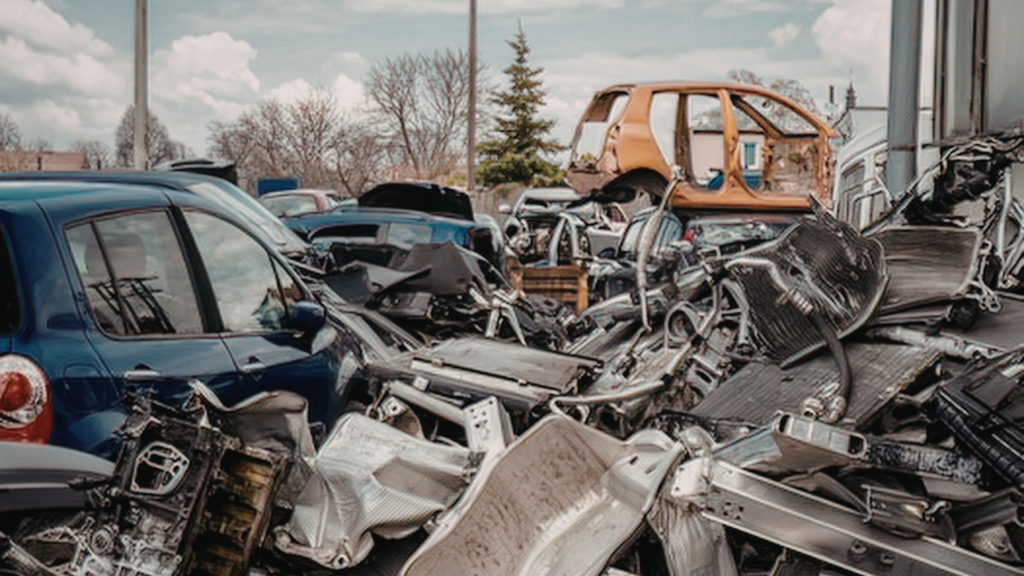
Why Legal Representation Matters After a Woodland Hills Crash
At King Law, we understand how a Woodland Hills crash can involve complex liability issues, especially when multiple vehicles, freeway conditions, or serious injuries are involved. We take a detailed approach by investigating the incident, gathering critical evidence, and identifying all potential sources of responsibility. Our team handles communication with insurance companies while protecting your rights and pursuing compensation that reflects the full impact of the crash. With our support, you can focus on recovery while we manage the legal process with care and attention.
We also prioritize clear communication so you remain informed and confident throughout every stage of your case. Our team evaluates both financial losses and personal impact to ensure that your claim reflects the true extent of your situation. We advocate on your behalf while addressing challenges such as disputed liability or delays from insurers. When you work with us, you gain a dedicated legal partner committed to helping you move forward with clarity and confidence.

What to Do After a Woodland Hills Crash
Taking the right steps after a Woodland Hills crash can protect your health while preserving your ability to pursue compensation. These incidents often happen suddenly and leave victims dealing with injuries, confusion, and uncertainty about what to do next. Acting promptly helps secure critical evidence, document injuries, and establish a clear record of events. A structured and proactive response can significantly improve both recovery and legal outcomes.
In addition, early decisions can directly impact the strength of your claim and your ability to recover damages, especially when insurance companies begin evaluating the situation quickly. Taking a careful and informed approach helps reduce uncertainty while ensuring that key details remain preserved. Understanding what actions to take allows victims to move forward with greater confidence and control during a stressful time. A well-prepared response supports a stronger and more effective case.
Prioritizing Safety and Medical Care
Ensuring safety and seeking medical attention should remain the top priority after any Woodland Hills crash, particularly when injuries may not be immediately visible. Quick action helps prevent further harm while allowing emergency responders to assess the situation and provide necessary care. These early steps also create valuable documentation that may become important later in the claims process. A prompt and organized response supports both recovery and legal protection.
Additionally, remaining calm and following instructions from emergency personnel helps prevent complications at the scene. Victims should avoid unnecessary movement if injuries are suspected, since this may worsen existing conditions. Allowing trained professionals to manage the situation ensures proper care and accurate documentation. A cautious approach helps protect both health and legal interests.
Calling Emergency Services Immediately
Contacting emergency services ensures that law enforcement and medical personnel arrive quickly to manage the scene and coordinate an appropriate response. Officers document the crash, gather statements from drivers and witnesses, and begin the investigative process to determine how the collision occurred. Paramedics provide immediate care and evaluate injuries that may not be obvious at first. This response creates an official record that supports future insurance and legal claims.
In addition, early involvement from law enforcement helps ensure that critical details are documented before vehicles are moved or conditions change. Officers may note roadway conditions, traffic patterns, and driver behavior that could become important later. These observations can play a key role in determining liability. Prompt reporting strengthens the accuracy of the investigation.
Seeking a Full Medical Evaluation
Even if injuries appear minor, a full medical evaluation helps identify underlying conditions that may worsen over time without treatment. Many crash-related injuries, including soft tissue damage or head trauma, may not show immediate symptoms. Medical providers document injuries, recommend treatment, and create records that support both recovery and compensation claims. Early care improves long-term health outcomes and strengthens documentation.
Following through with recommended treatment also demonstrates the seriousness of injuries and helps maintain consistent medical records. Gaps in care may create challenges when proving the extent of damages. Ongoing evaluation ensures that all injuries receive proper attention. A proactive approach supports both recovery and claim strength.
Documenting the Scene and Preserving Evidence
Collecting evidence at the scene helps capture important details that may not remain available later, especially in high-traffic areas where conditions change quickly. This information provides a clearer understanding of how the Woodland Hills crash occurred and who may be responsible. Taking time to document the scene ensures that no critical detail is overlooked. Strong evidence supports a more effective and well-supported claim.
Moreover, documenting the scene early helps prevent disputes about what happened, since physical evidence may disappear over time. Weather conditions, traffic movement, and cleanup efforts can alter key details quickly. Acting promptly helps preserve accurate information. A thorough approach improves the strength of the case.
Taking Photos and Recording Details
Photos and videos can capture vehicle damage, skid marks, road conditions, traffic signals, and surrounding factors at the time of the crash. These visuals help demonstrate how the collision occurred and the severity of the impact from multiple perspectives. Recording details such as time, location, weather conditions, and traffic flow adds valuable context. Thorough documentation strengthens the claim and supports expert analysis if needed.
In addition, capturing multiple angles and close-up images helps create a more complete visual record of the scene. This information may later assist in accident reconstruction or negotiations. Strong visual evidence reduces reliance on memory alone. Detailed records improve clarity and credibility.
Gathering Witness Information
Witnesses often provide valuable insight into how the crash occurred and who may be at fault, especially when events happen quickly. Collecting their names and contact information allows for follow-up statements during the investigation. Their accounts may confirm key details and help clarify conflicting versions of events. Reliable witness testimony adds credibility to the claim.
Speaking with witnesses as soon as possible helps preserve accurate recollections before memories fade. Recording brief summaries of what they observed can provide helpful context later. Strong witness support enhances the case. Early collection ensures accuracy.
Reporting the Crash and Following Up
Reporting the crash ensures that authorities create an official record and begin a formal investigation into the incident. This step plays a critical role in establishing accountability and supporting insurance or legal claims. Following up helps keep the case active and ensures that important updates are not missed. Staying engaged supports both the investigation and the claims process.
Additionally, maintaining communication with authorities and insurers helps ensure that the case continues to move forward without unnecessary delays. This involvement demonstrates the seriousness of the claim and helps prevent miscommunication. A consistent approach supports better outcomes. Staying proactive keeps the process organized.
Filing and Reviewing the Police Report
A police report provides a detailed account of the Woodland Hills crash and includes observations from responding officers, such as roadway conditions and initial statements. Reviewing this report ensures that all information remains accurate and reflects the events clearly. This document often becomes a key piece of evidence in insurance claims and legal proceedings. A well-prepared report strengthens the overall case.
If any inaccuracies appear in the report, addressing them early helps prevent complications later in the process. Ensuring accuracy improves the credibility of your claim. A strong report provides a solid foundation. Careful review remains essential.
Staying Informed Throughout the Process
Remaining in contact with law enforcement, insurance companies, and other involved parties helps ensure that new developments receive attention. Updates may include additional findings, witness statements, or changes in liability assessments. Staying informed allows for timely responses and better decision-making. Active involvement improves outcomes and keeps the process moving forward.
Regular follow-up also helps prevent delays and ensures that no important detail is overlooked. Being proactive allows victims to maintain control over their case. This approach supports a more efficient and organized process. Consistent engagement strengthens results.
Protecting Your Legal Rights Early
Protecting your legal rights after a Woodland Hills crash requires careful decision-making from the very beginning, especially when dealing with insurance companies and potential liability issues. Many individuals unknowingly take actions that may weaken their claim, including making statements without full information. Being mindful of what you say and how you respond helps preserve your ability to pursue compensation. Early awareness allows for better long-term results.
Taking steps to safeguard your position ensures that your claim remains strong as the process moves forward. Avoiding unnecessary risks and seeking guidance when needed helps prevent complications. A thoughtful and cautious approach supports a more favorable outcome. Protecting your rights early remains essential.
Avoiding Statements That May Affect Your Claim
Statements made at the scene or shortly after the crash may later be used by insurance companies to reduce or deny claims. Even casual remarks can be misinterpreted or taken out of context. Providing only factual information and avoiding speculation helps prevent misunderstandings. Careful communication protects your position.
Allowing professionals to handle detailed discussions ensures that your claim remains consistent with the available evidence. Limiting unnecessary statements reduces risk. A cautious approach strengthens your case. Proper handling improves outcomes.
Consulting Legal Guidance Early
Seeking legal guidance early provides clarity and direction during a challenging and uncertain time. Attorneys can explain your rights, outline available options, and help you avoid common mistakes that may weaken your claim. Early involvement allows for a more strategic approach to building a strong case. This support ensures that each step aligns with your best interests.
In addition, legal professionals can begin gathering evidence and communicating with insurers immediately to protect your claim. This proactive approach helps reduce delays and strengthens the overall case. Early consultation often leads to better outcomes. Taking this step can make a meaningful difference.

Who May Be Liable in a Woodland Hills Crash
Determining liability after a Woodland Hills crash requires a detailed and strategic evaluation of all contributing factors and involved parties. While one driver may appear responsible at first, multiple parties often share fault depending on how the collision unfolded. Identifying every source of liability helps victims pursue full compensation and ensures that no responsible party is overlooked. A comprehensive approach strengthens both the claim and the potential recovery.
In many cases, liability involves a combination of driver behavior, roadway conditions, and third-party involvement that contributed to the crash. Each factor must be carefully examined using evidence, reports, and expert analysis to build a clear understanding of what occurred. This process helps victims make informed decisions while protecting their rights throughout the legal process. A thorough and well-supported evaluation improves overall outcomes.
Driver Negligence and Fault
Driver negligence remains one of the most common causes of Woodland Hills crash incidents, especially on high-traffic roadways like the 101 Freeway. Actions such as speeding, distracted driving, or failing to yield often create dangerous conditions that lead to collisions. Establishing negligence requires clear evidence that a driver failed to act with reasonable care under the circumstances. This determination plays a key role in building a strong and effective case.
In addition, proving negligence involves connecting the driver’s actions directly to the injuries and damages sustained in the crash. This process often includes reviewing police reports, witness statements, and physical evidence from the scene. A well-documented claim helps demonstrate how unsafe behavior contributed to the collision. Strong evidence supports a more favorable outcome.
Distracted or Impaired Driving
Drivers who use mobile devices, adjust in-vehicle systems, or operate vehicles under the influence create significant risks on the road. These behaviors reduce awareness, delay reaction time, and impair judgment, which increases the likelihood of a crash. Evidence such as phone records, surveillance footage, or toxicology reports may support these claims. Demonstrating distraction or impairment strengthens liability and supports a clearer assignment of fault.
Additionally, these behaviors often leave identifiable patterns that investigators can analyze through reports and witness testimony. Officers may document signs of impairment or distraction at the scene. Identifying these factors early helps build a stronger case. A detailed review improves accuracy.
Failure to Follow Traffic Laws
Ignoring traffic signals, exceeding speed limits, or making unsafe lane changes frequently contributes to serious Woodland Hills crash incidents. These violations often serve as clear indicators of negligence and can form the basis of liability claims. Reviewing traffic citations, accident reports, and witness statements helps establish fault. Clear and consistent evidence supports stronger claims.
Furthermore, repeated or aggressive driving behavior may indicate a pattern of negligence that strengthens the case. Identifying these violations helps demonstrate how the crash occurred. A comprehensive evaluation ensures that all relevant actions are considered. This approach improves claim strength.
Speeding and Aggressive Driving
Excessive speed and aggressive driving behaviors significantly increase both the likelihood and severity of collisions. Drivers who travel above safe speeds have less time to react to changing traffic conditions, especially on congested freeways. These actions often result in more severe injuries and extensive damage. Evidence such as skid marks, crash reports, and expert analysis helps establish this behavior.
In many cases, aggressive driving also includes tailgating or sudden lane changes that contribute to unsafe conditions. Identifying these behaviors strengthens the argument for negligence. A thorough review ensures that all contributing factors are addressed. Strong evidence supports better outcomes.
Multiple Vehicles and Shared Responsibility
Some Woodland Hills crash cases involve multiple vehicles, particularly on busy highways where traffic density increases the risk of chain-reaction collisions. In these situations, fault may be shared among several drivers depending on their actions before and during the crash. Evaluating each party’s role helps determine how responsibility should be divided. A detailed analysis ensures fair and accurate outcomes.
In addition, multi-vehicle collisions often involve overlapping impacts that make liability more complex. Investigators must analyze timing, positioning, and driver behavior to understand how the crash unfolded. A structured approach helps clarify responsibility. Thorough evaluation strengthens the claim.
Chain-Reaction Collisions
Chain-reaction crashes occur when one initial impact triggers a series of additional collisions involving multiple vehicles. Determining the cause of the first impact becomes a key factor in assigning liability, although subsequent actions may also contribute to fault. Evidence such as vehicle positioning, damage patterns, and timing helps clarify responsibility. A structured review strengthens the case.
Additionally, drivers involved later in the chain may still share responsibility if they failed to react appropriately or maintain safe distances. Evaluating each impact individually provides a clearer understanding of the sequence of events. This layered analysis supports a stronger claim. A comprehensive approach improves accuracy.
Comparative Fault in California
California follows a comparative fault system, which allows liability to be divided among multiple parties based on their level of responsibility. Each party receives a percentage of fault that reflects their contribution to the crash. This allocation directly affects how much compensation a victim may recover. Understanding this system helps set realistic expectations during the claims process.
Moreover, insurance companies may attempt to shift fault to reduce their financial responsibility. Accurate documentation and strong evidence help ensure fair fault allocation. A well-prepared case protects against unfair reductions. Proper evaluation improves outcomes.
Evaluating Driver Reactions and Timing
In multi-vehicle Woodland Hills crash cases, how drivers react in the moments leading up to the collision can significantly influence liability. Delayed braking, sudden maneuvers, or failure to maintain safe distances may contribute to the sequence of impacts. Analyzing these reactions helps determine each driver’s role in the crash. This evaluation supports a more accurate assignment of fault.
Experts may review data such as vehicle speed, braking patterns, and roadway conditions to understand how the crash developed. These details provide valuable insight into driver behavior. A detailed analysis strengthens the overall case. Clear findings support better results.
Third-Party Liability Factors
In some cases, additional parties may share responsibility for factors that contributed to the crash beyond the actions of drivers. Identifying these parties expands potential sources of compensation and ensures that all responsible entities are held accountable. Each case requires careful evaluation to determine whether third-party liability applies. Including these factors strengthens the overall claim.
Third-party liability often involves examining external conditions, contractual relationships, and maintenance responsibilities that influenced the crash. These factors may not be immediately obvious but can play a significant role in determining fault. A detailed investigation helps uncover these connections. Addressing third-party involvement ensures a more complete case.
Roadway Conditions and Government Entities
Poor road conditions, unclear signage, or malfunctioning traffic signals may contribute to a Woodland Hills crash, especially in high-traffic areas. Government entities responsible for maintaining these conditions may bear liability if negligence exists. Investigating these factors ensures that all contributing conditions are considered. Proper evaluation supports stronger claims.
Additionally, hazards such as road dips, uneven pavement, or inadequate lighting can create dangerous driving environments. Identifying these issues helps determine whether maintenance failures played a role. Addressing roadway conditions ensures a more comprehensive claim. A thorough approach improves accountability.
Vehicle Defects and Mechanical Failures
Defective parts or mechanical issues may also contribute to crashes, particularly when they affect a vehicle’s ability to operate safely. Manufacturers or maintenance providers may bear responsibility if defects played a role in the incident. Expert analysis often helps identify these issues and determine their impact. Addressing defects strengthens the case.
In addition, product liability claims may involve evaluating design flaws or manufacturing errors that affect vehicle safety. Including these factors ensures that all contributing elements are considered. A detailed investigation supports a stronger claim. Proper analysis improves outcomes.
Commercial Vehicles and Employer Liability
If a commercial vehicle was involved in the Woodland Hills crash, the employer may share responsibility depending on the driver’s role at the time. This often applies when drivers operate vehicles as part of their job duties, such as delivery or transportation services. Employment records and company policies help determine liability. Including employer responsibility may increase available compensation.
Furthermore, companies may be held accountable for negligent hiring, lack of training, or failure to enforce safety standards. These factors can contribute to unsafe driving behavior. Evaluating employer liability ensures a more complete assessment. A comprehensive approach strengthens the claim.
How a Los Angeles Car Accidents Attorney Provides Support After a Fatal Collision
A Los Angeles car accidents attorney plays a vital role in helping families navigate the legal and emotional challenges that follow a fatal collision. These cases often involve complex liability issues, insurance disputes, and significant financial consequences that can feel overwhelming during a time of loss. Families may struggle to understand their rights while coping with grief and uncertainty about the future. With experienced legal support, they can pursue accountability and compensation while focusing on healing.
In addition, early legal guidance helps preserve critical evidence and ensures that the case proceeds in a structured and effective manner. Attorneys provide clarity, handle communication, and build a strategy that reflects the full impact of the incident. This support helps families move forward with confidence while protecting their long-term interests. A comprehensive approach strengthens both the case and the path toward recovery.
Conducting a Thorough Fatal Crash Investigation
Attorneys begin by conducting a detailed investigation to determine how the fatal collision occurred and who may be responsible. This process involves gathering evidence, reviewing reports, and analyzing the sequence of events leading to the crash. A strong investigation establishes the foundation of the case. Early action ensures that critical details remain preserved.
Reviewing Police Reports and Evidence
Police reports provide an official account of the collision, including observations from responding officers and initial findings. Attorneys analyze these reports along with photographs, videos, and physical evidence from the scene. This review helps identify key factors that contributed to the crash. Accurate analysis strengthens the case.
Working with Accident Reconstruction Experts
In complex cases, attorneys may work with reconstruction experts to recreate how the collision occurred. These professionals use technical data to analyze vehicle movement, impact points, and timing. Their findings help clarify disputed details and establish liability. Expert input adds credibility and depth to the claim.
Identifying Liable Parties
Determining liability in a fatal collision often involves evaluating multiple factors and parties. Attorneys assess driver behavior, road conditions, and potential third-party involvement. Identifying all responsible parties ensures that families can pursue full compensation. A comprehensive approach improves outcomes.
Evaluating Driver Negligence
Attorneys examine whether actions such as speeding, distracted driving, or impairment contributed to the crash. Evidence such as witness statements and traffic data helps support these findings. Establishing negligence remains a key component of the case. Clear evidence strengthens liability claims.
Considering Third-Party Responsibility
In some cases, additional parties such as employers, vehicle manufacturers, or government entities may share liability. Attorneys investigate whether external factors contributed to the collision. Including these parties expands potential sources of compensation. A detailed evaluation ensures accountability.
Managing Insurance and Legal Claims
Handling insurance claims after a fatal collision can become complicated, especially when large policies and multiple parties are involved. Attorneys manage communication with insurers and protect families from tactics that may reduce compensation. This support helps ensure that claims are handled properly. Strong representation improves results.
Communicating with Insurance Companies
Attorneys take over communication to ensure that all statements align with the evidence and protect the client’s interests. This approach reduces the risk of misinterpretation or claim denial. Proper handling maintains control over the process. Clear communication supports stronger claims.
Negotiating for Fair Compensation
Insurance companies may attempt to settle claims quickly for less than their full value. Attorneys evaluate offers and negotiate based on evidence and damages. This process helps ensure that compensation reflects the full impact of the loss. Strong advocacy improves outcomes.
Calculating the Full Scope of Damages
Fatal collision cases involve both financial losses and emotional impact that must be carefully evaluated. Attorneys assess economic and non-economic damages to ensure a complete claim. This evaluation helps families pursue compensation that reflects their loss. A detailed approach strengthens recovery efforts.
Accounting for Financial Losses
Economic damages may include medical expenses, funeral costs, and loss of financial support. Attorneys ensure that all current and future financial impacts are considered. Proper documentation supports accurate compensation. A complete evaluation improves results.
Addressing Emotional and Personal Impact
Non-economic damages reflect the emotional loss and changes to daily life experienced by surviving family members. Attorneys gather evidence to demonstrate these effects. Including these factors ensures a more balanced claim. Addressing emotional impact supports full recovery.
Guiding Families Through the Legal Process
The legal process after a fatal collision can feel overwhelming, especially for families dealing with grief and uncertainty. Attorneys provide guidance, handle procedural requirements, and ensure that deadlines are met. This support reduces stress and allows families to focus on healing. A structured approach improves efficiency.
Managing Legal Deadlines and Requirements
Wrongful death claims involve strict timelines and filing requirements that must be followed carefully. Attorneys track deadlines and ensure that all documents are submitted accurately. This attention to detail helps prevent complications. Staying organized supports a smoother process.
Preparing for Litigation When Necessary
While many cases resolve through negotiation, some require litigation to achieve fair results. Attorneys prepare by building a strong case supported by evidence and expert analysis. They represent families in court and advocate for their interests. This readiness ensures strong representation throughout the process.

Contact an Experienced Woodland Hills Crash Lawyer Today
Taking action after a serious crash can feel overwhelming, especially when injuries, financial concerns, and legal questions arise at the same time. Our team at King Law carefully reviews every detail of your situation and develops a strategy tailored to your specific needs and long-term goals. We handle investigations, documentation, and negotiations so you can focus on your recovery without additional stress.
Every case deserves careful attention and a results-driven approach that reflects the seriousness of a Woodland Hills crash. We work closely with you to understand the full impact of the incident, including medical expenses, lost income, and ongoing recovery challenges. Our team remains committed to pursuing accountability and fair compensation while providing consistent support throughout the process, so call us at (818) 918-9739 today or reach out online to discuss your case and explore your options.